NFC stickers & QR codes
You already know how to tap.Now make it do something.
Stick one on the coffee jar, the printer, the supply shelf. A tap runs the one action you chose — and writes down what happened.
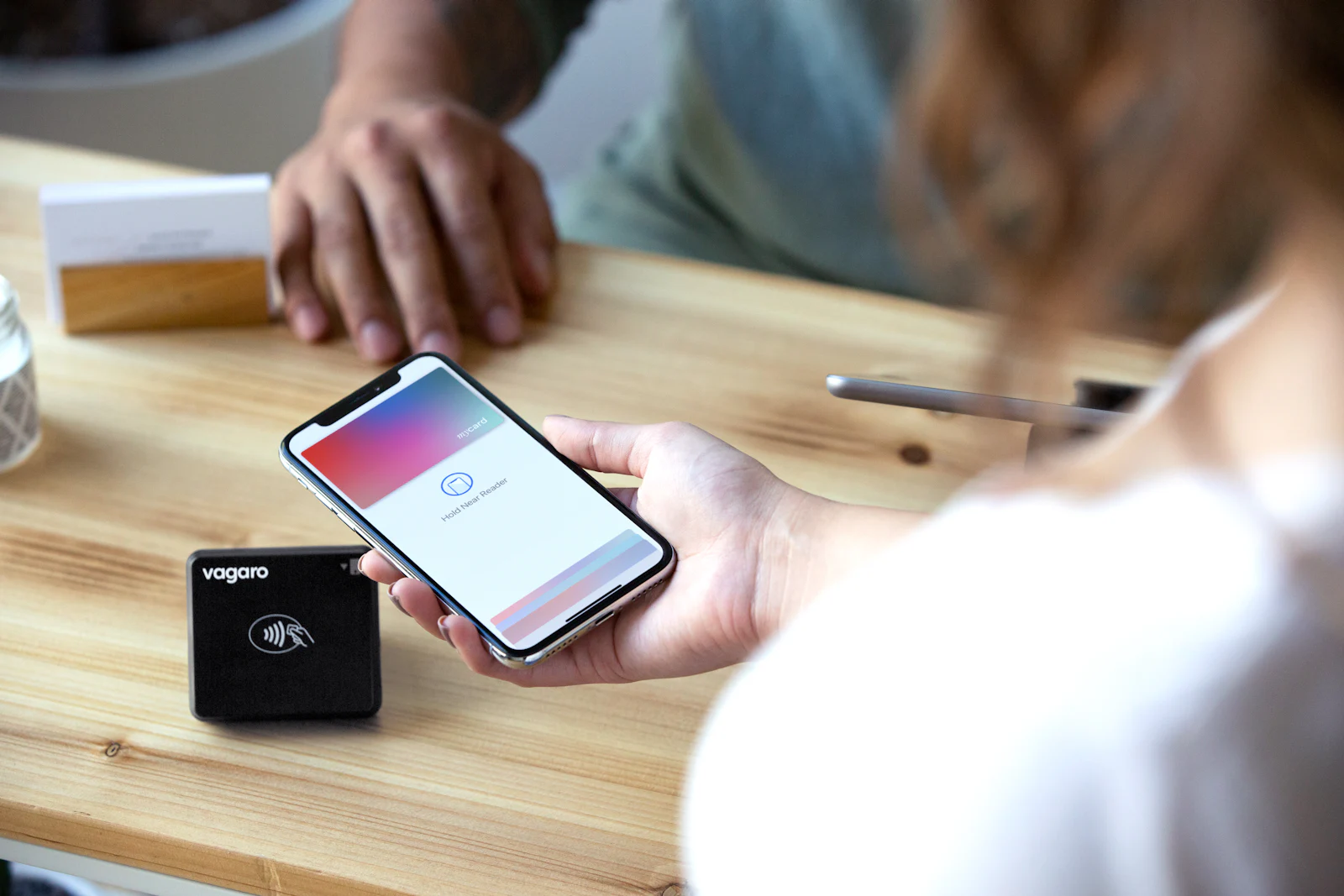
The gesture people learned from payment terminals, borrowed for everything else.
01 / THE CHIP
Dumb sticker, smart server.
One link on the chip. No data, no credentials — a stolen sticker gives away nothing.
02 / THE ACTION
Change it without touching it.
Repoint, pause or retire it from Studio. The one on the shelf never moves.
03 / THE RECORD
Every tap is on the record.
Who tapped, when, which action ran, what came back. Not a log to reconstruct later.
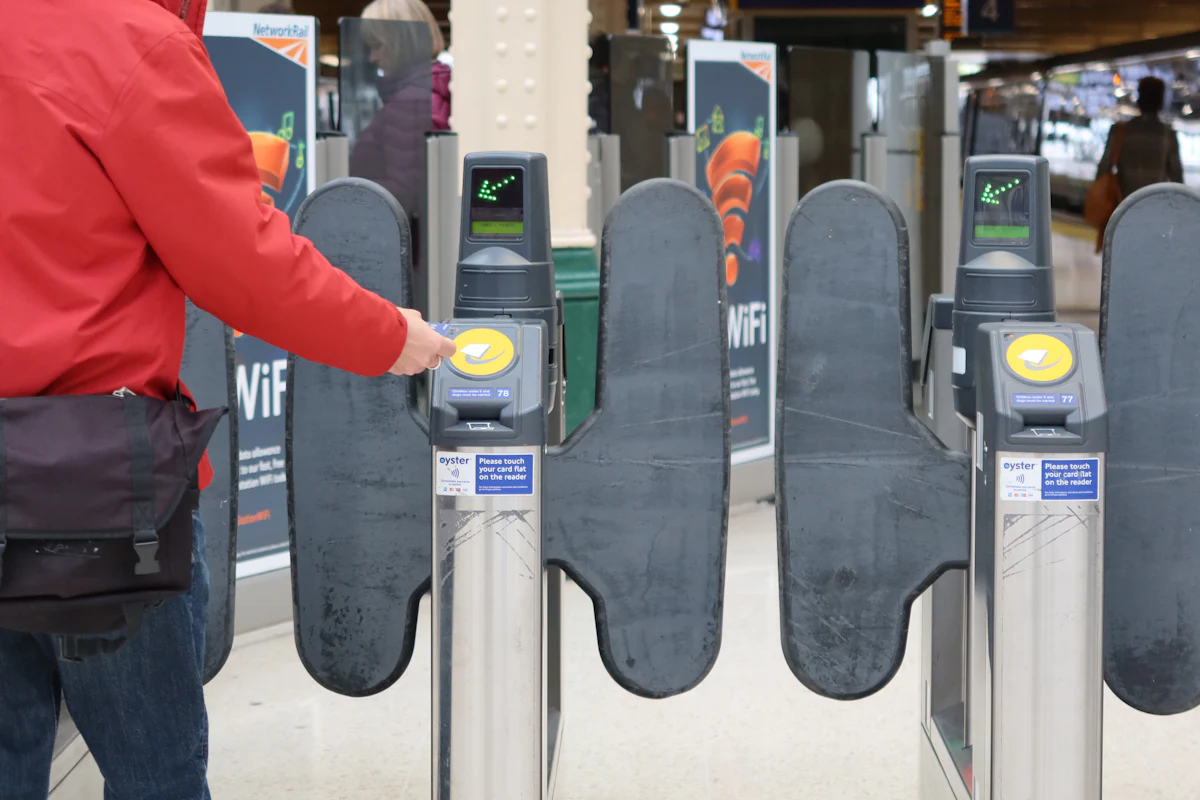
Nobody has to be taught this.
Ticket gates. Card readers. Hotel doors. The habit is already installed in everyone who will ever touch one of your stickers.
How it works
One sticker. One clear action.
-
1
Describe it
Say what the tag should do. Add an item, log a status, open a page, call an app.
-
2
Write or print it
Write it to a sticker from your phone, or print a QR code. Same action either way.
-
3
Tap it
The phone opens, shows the next step in plain words, runs it, records who did it.
Try the idea
Build a shopping list while you use things up.
Hands full at the cupboard, nowhere near a shopping app. Tap the jar. Carry on.
A tap records intent. Nothing is bought automatically — sending a list to a retailer cart is a separate step a person commits.
Three stickers on a kitchen shelf
Tap one. Runs in your browser; nothing is sent anywhere.
Your list is empty. Tap a sticker above.
Where they go
The same pattern, in very different rooms.
Ask for help with the context attached
Hand someone the next step
Count without a clipboard
Let a tap start real work
The stickers
137 stickers. One job each.
Printed, write-locked, ready to stick. Pick the icon — decide what it does in Studio.
-
Menu
-
Pay
-
Wi-Fi
-
Review
-
Tip
-
Focus
-
Feed pet
-
Nap
-
Drive mode
-
Luggage tag
-
Workout
-
Hydration
-
Goodnight
-
Movie night
-
Grocery list
-
Laundry
-
Plants
-
Check in
-
Ticket
-
Call family
See all 137 stickers
From $2.49 · 18 sections · ships this week
Rather write your own blank tags?
Toque works with any tag you buy yourself. Three things worth knowing:
NTAG213 is all a Toque link needs
A tag URL is about 71 bytes and NTAG213 holds 144, so it fits with room spare — that is the chip we print. NTAG215's 504 bytes only matter if you write something long, like a whole contact card, onto a tag yourself.
On-metal tags for metal
Bare metal detunes an ordinary antenna. Appliances, shelving and tools need ferrite-backed tags.
25mm round is the useful size
Reads through a phone case, still fits a jar lid without looking like equipment.
Amazon
Fastest delivery, highest price per tag. Good for a first pack of ten while you work out what you need.
AliExpress
Cheapest per tag by a wide margin if you are buying fifty or more and can wait for shipping.
eBay
Useful for odd sizes and on-metal tags that the big listings do not carry.
Toque sells its own printed stickers. These links go to third-party marketplaces for blank tags. We earn nothing from them.
Control stays with you
A sticker in the world is a thing you have to be able to take back.
-
Keep private systems private
Outbound accepts public https only, and refuses metadata addresses.
-
Confirm anything consequential
Capture is separate from commitment. A tap never becomes an order on its own.
Questions
The things people ask first.
Do I need an app to tap an NFC sticker?
No. Modern phones read NFC tags with nothing installed: iPhone XS and later pick them up from the lock screen, and Android phones have done the same for years. Older iPhones use the NFC reader in Control Centre. The phone just opens the link in its normal browser, and if a device cannot read NFC at all, the same action can be printed as a QR code that any camera app will scan.
Can I change what a sticker does after I have stuck it down?
Yes, and that is the whole point. The chip stores one link and nothing else. The behaviour lives on the server, so you can repoint a sticker, pause it, or retire it from Studio without ever going back to the physical object.
What is actually written on the NFC chip?
A single https link ending in /t/tag_ and an identifier. No customer data, no credentials, and no description of the automation are written to the chip, so a sticker that is photographed, cloned, or peeled off and taken away still tells the finder nothing about what it did.
Does tapping a sticker buy anything?
No. A tap records intent. A shopping tap adds an item to your own private list; sending anything to a connected retailer cart is a separate step that a person takes deliberately, after reviewing the list.
Do NFC stickers work on metal or through a phone case?
Most thin plastic, silicone and leather cases are fine. Bare metal detunes an ordinary NFC antenna and will usually stop it working altogether, so for appliances, shelving, machinery and tools use tags sold as on-metal or ferrite-backed.
How does Toque know who tapped?
Actions that need an identity require a signed-in account, and the event is recorded against that account. Taps that genuinely should be anonymous — a public signup page, a visit counter — are supported and recorded as anonymous rather than guessed at.
Can a tap reach something private on my network?
No. Outbound delivery accepts public https destinations only, and refuses private, loopback, link-local and cloud metadata addresses before any request is made.
Talk to us
Tell us what you are trying to tag.
A room, a shelf, a machine, a workflow — describe it. A real person reads every one.
Or email connectwithus@cookcredit.com
Start with one sticker and one useful action.
Studio walks you through describing the action, testing it, and getting the link onto a tag or a printed code.